Contact
 Contact
 951 907 140
 660 081 097


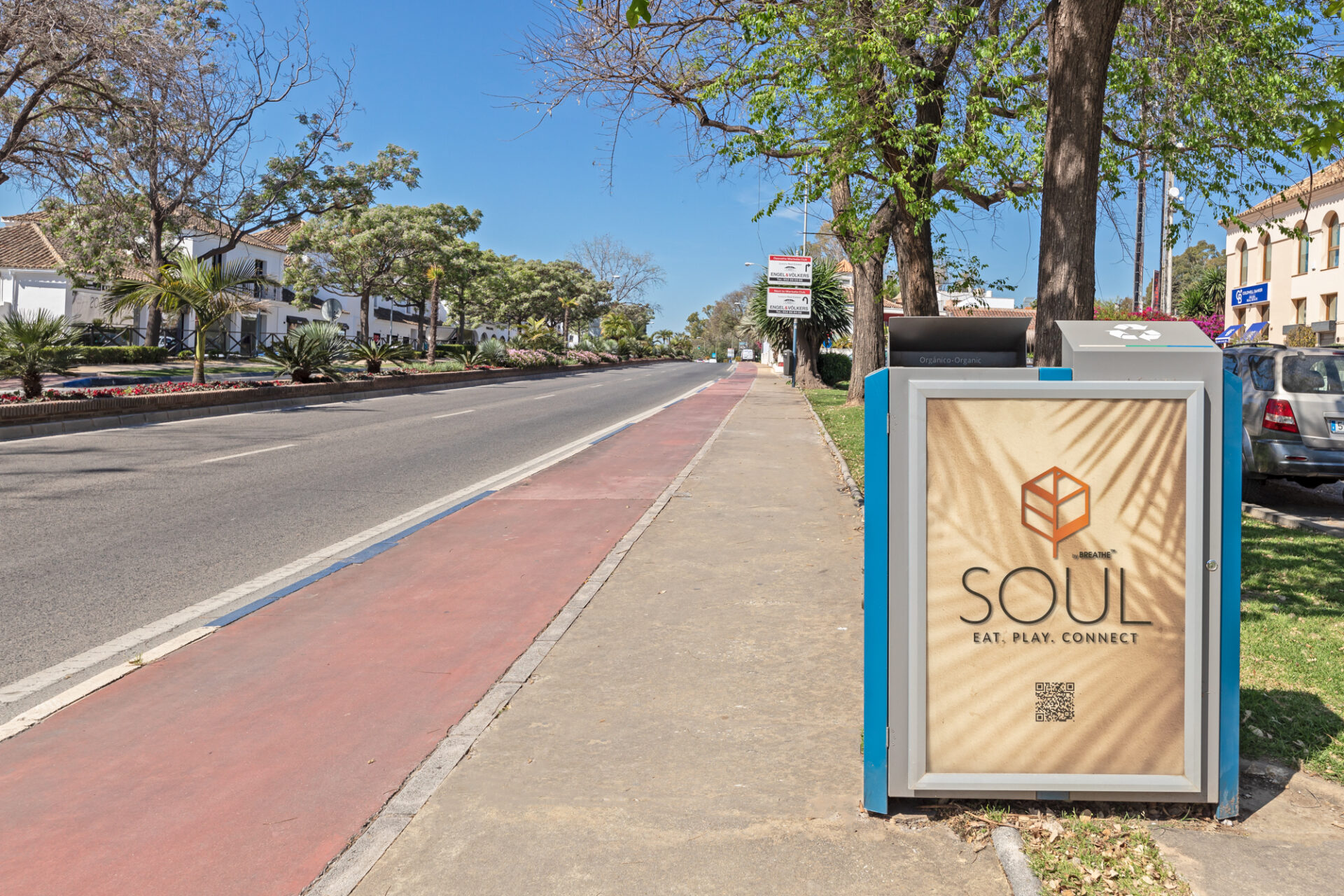
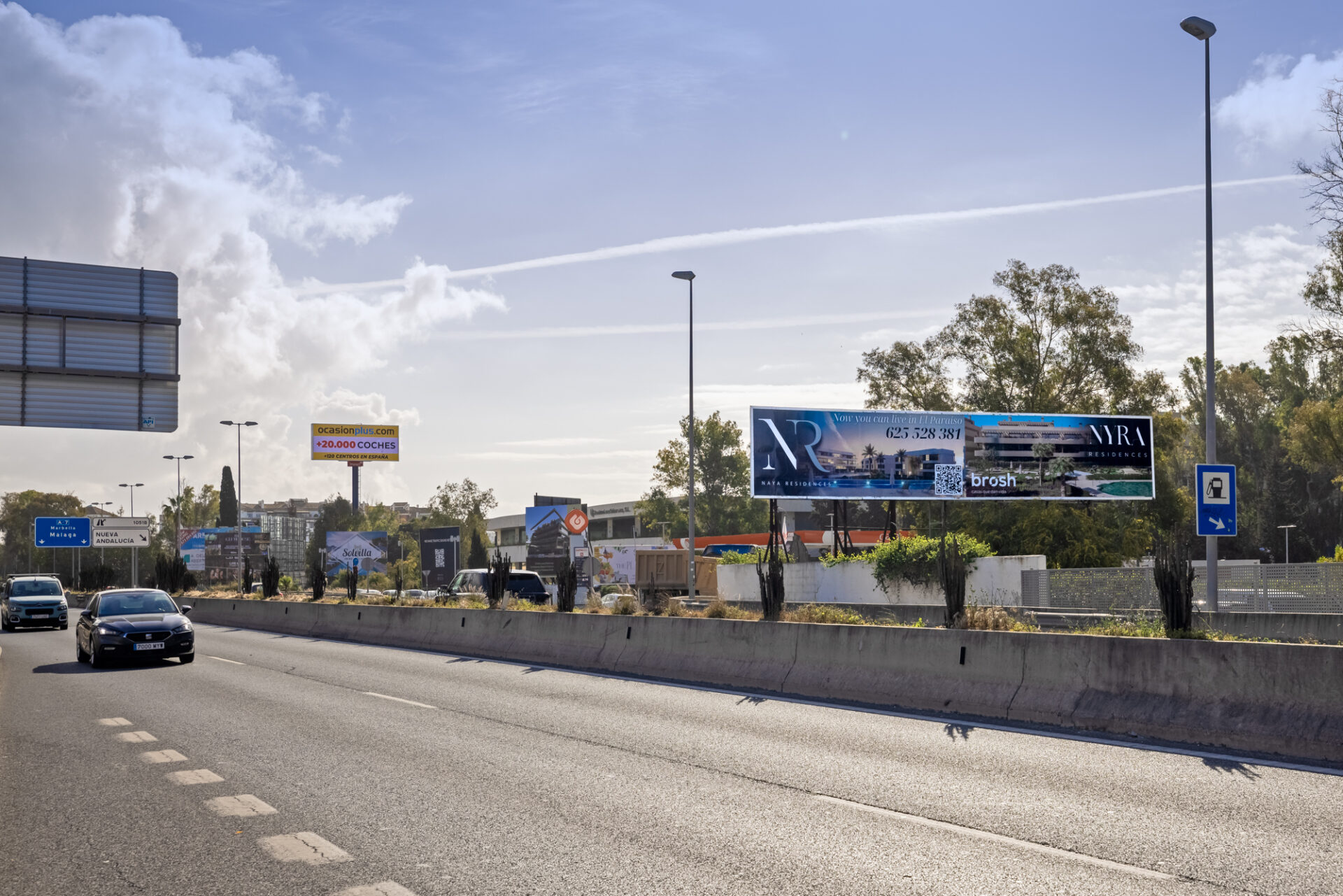
Out-of-home (OOH) advertising isn’t consumed like a website. Nobody stops to read, compare, or “decipher” a message while driving, walking, or riding public transport. In OOH, attention spans are brief and context is fast-paced: if your ad needs explanation, the problem is usually not the medium… it’s the copy.
Good outdoor copy doesn’t try to tell you everything. It aims for one thing: to be understood in seconds. These 6 rules will help you achieve that.
1) One idea per piece
The most common mistake is trying to cram everything into the space: brand, promotion, story, benefits, social proof, location, social media… The brain doesn’t prioritize for you. If there are too many competing elements, the opposite of what you want happens: it tunes out.
Outdoor advertising, one strong idea beats five mediocre ones. If you have several messages, divide them into different pieces or sections, but don’t try to fit them all into the same one.
2) Few words, high intent
Out-of-home advertising doesn’t reward long text. It rewards concise text. A short sentence with a clear benefit is better than a descriptive paragraph.
Think of your headline as a clean punch: direct, easy to understand, and easy to remember. If you’re explaining, you’re probably losing the audience’s attention.
3) Avoid generic phrases: say something specific
“Quality and trust,” “excellent service,” “unique experience”… these sound good, but they don’t set you apart. Your audience has heard these phrases a thousand times.
Instead, focus on something that makes your offer concrete: a specific detail, a particular angle, or a clear promise. Specifics are what people remember. Generics are forgotten.
4) Clear Mental Hierarchy
Even if the ad is a single format, the brain processes it sequentially. In OOH advertising, it’s best to follow a simple sequence:
What it is (what I’m seeing)
Why it matters to me (benefit or reason)
Who’s behind it (brand)
If the logo or brand dominates too early, people may not understand the message. And if the message doesn’t lead to a recognizable brand, you lose the opportunity to create brand recall.
5) Make it work even if you don’t read it all
A good test: if someone only catches 3–5 words, do they understand anything relevant?
Outdoor advertising often doesn’t read the entire sentence. Fragments are captured. That’s why the copy should be designed to work even in snippets: those few words should already contain the essence of the message.
6) If there’s a CTA, keep it to one
If you decide to include a call to action, make it a single one: visit, book, call, request information… one action, not three.
Multiple CTAs compete with each other and reduce clarity. In OOH, fewer options usually mean more response.
The final rule: instant clarity
Outdoors, visual appeal helps, but instant clarity is key. An ad can be aesthetically flawless and still fail if the message isn’t understood at a glance.
If you want to review your next creative, start with the basics: one idea, few words, a clear differentiator, clear hierarchy, and a simple CTA (if needed). In OOH, every second counts.