Contact
 Contact
 951 907 140
 660 081 097


Choosing an outdoor advertising medium shouldn’t start with “what’s available?”, but with a more useful question: what do I want to happen when my brand appears on the street?
In OOH (Out-of-Home) advertising, the right format depends on the main objective and the user’s situation (driving, walking, waiting, entering a parking lot, etc.). From there, the most logical mix is defined.
Below is a practical guide to choosing between formats when the objective is brand awareness, traffic, or openings.
1) If your objective is to build brand awareness and recall
Here, the key is sustained presence and repetition in the area: that your brand is seen “often” and in places where it makes sense.
Recommended formats
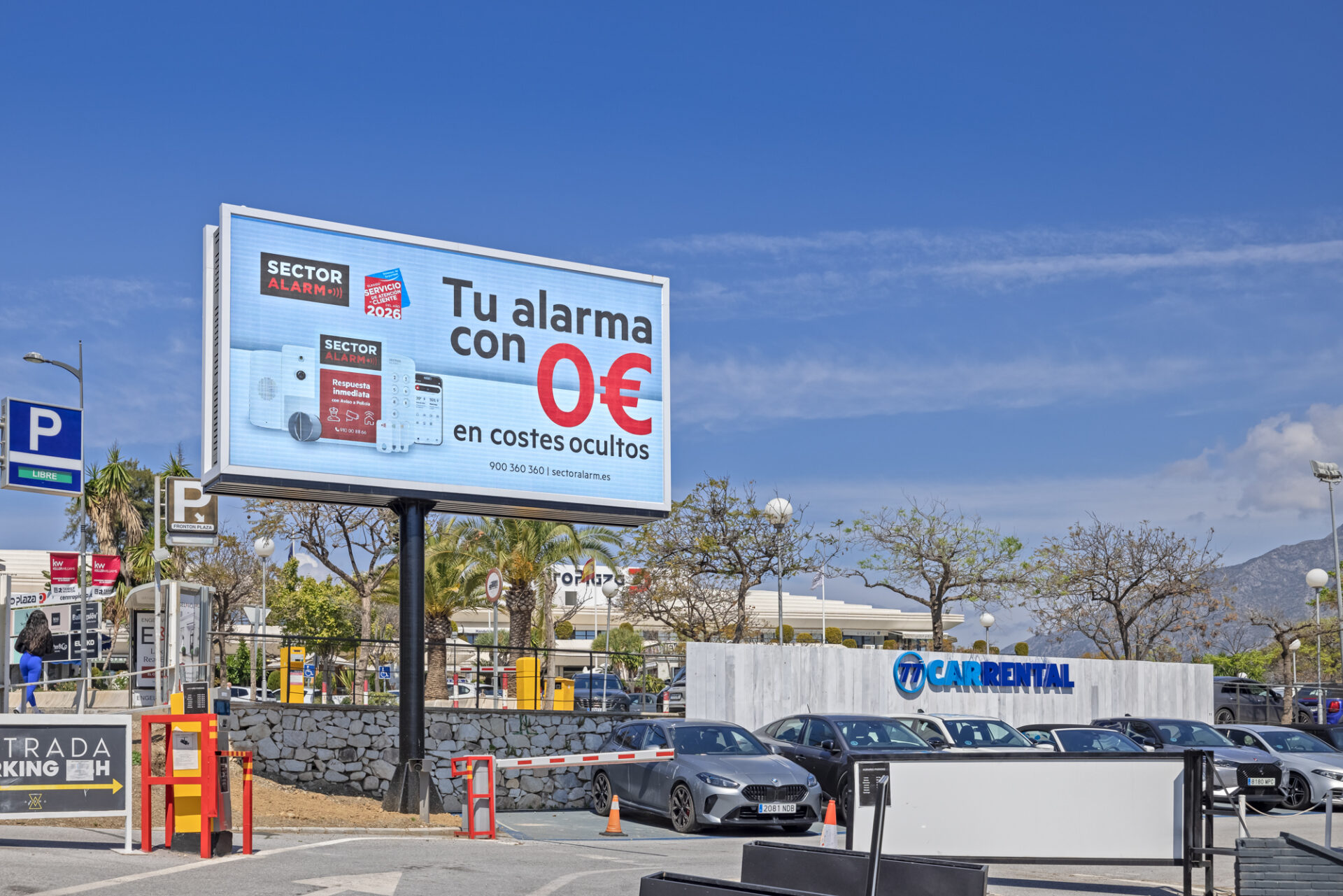
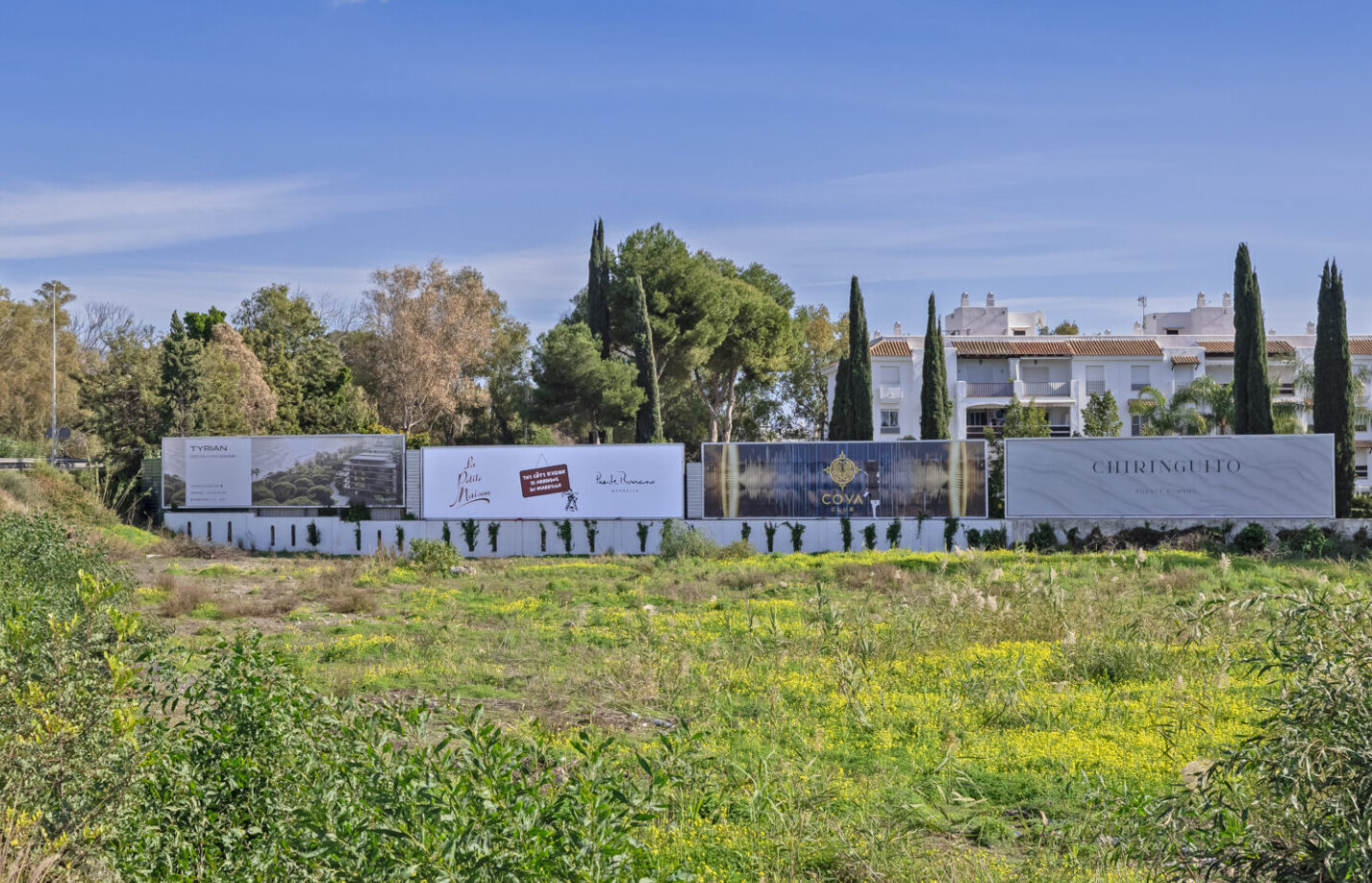
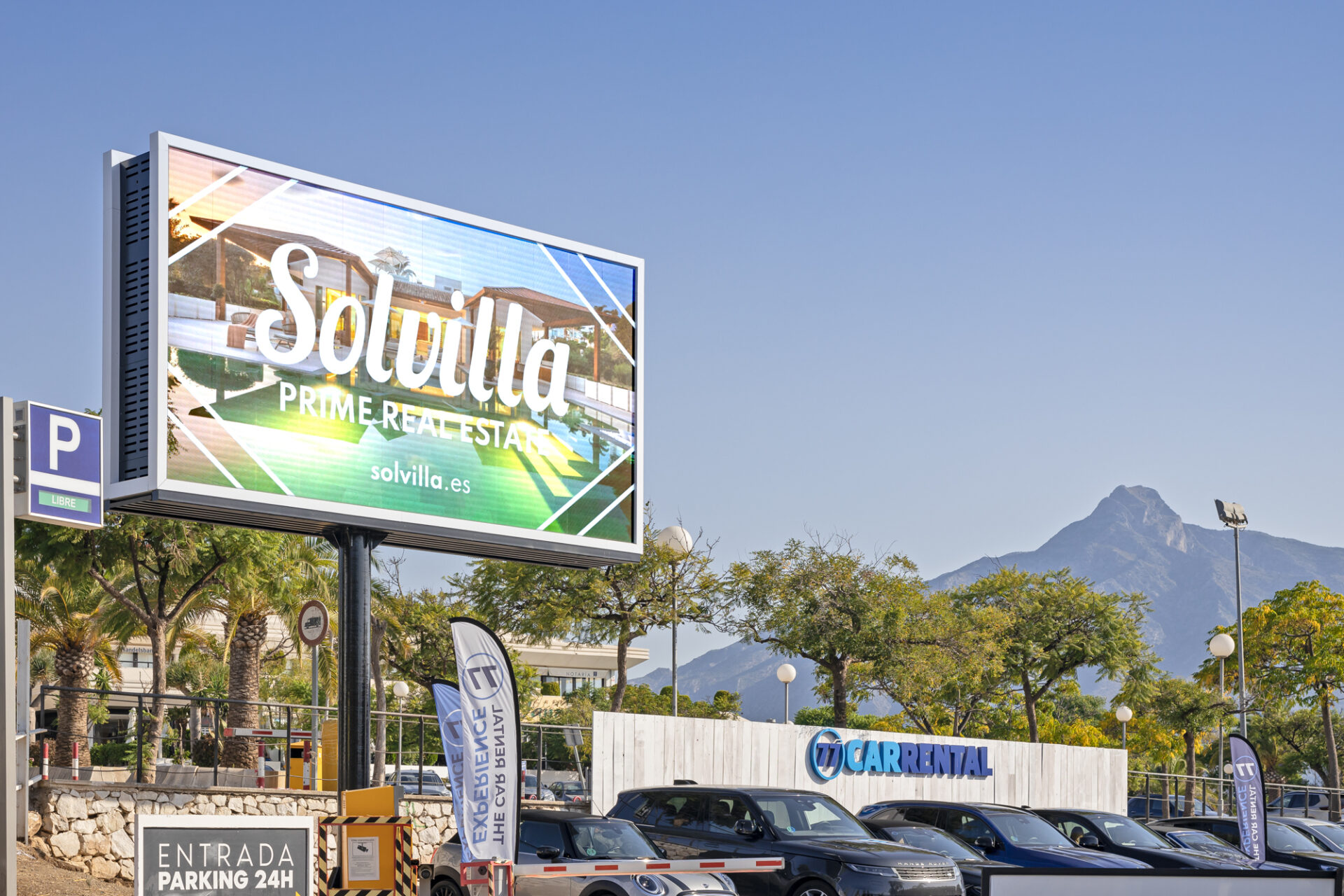
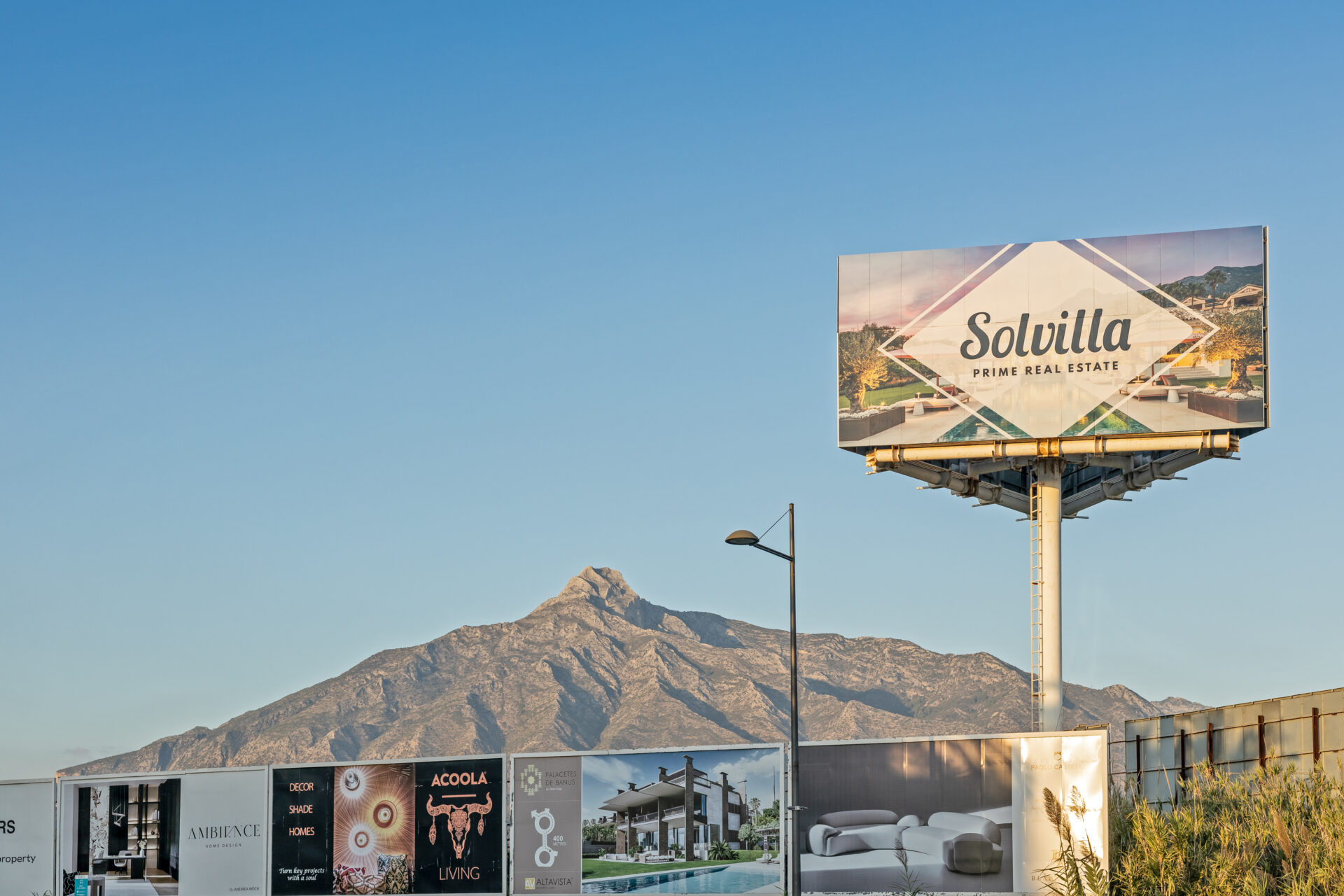
- Billboards and unipoles (high presence): ideal for positioning and brand recognition in high-traffic areas.
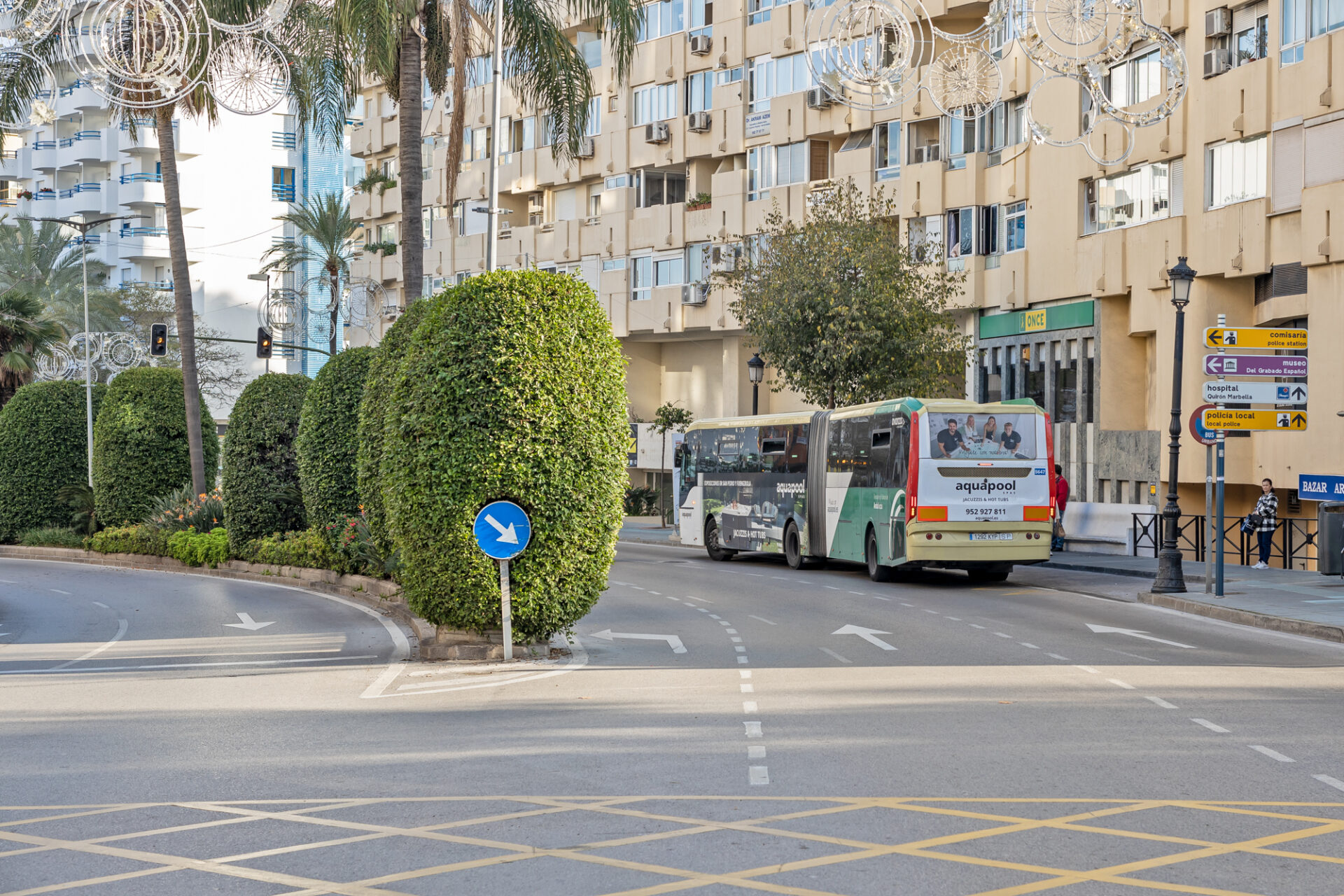
- City buses: turn the brand into a mobile medium that travels across large areas.
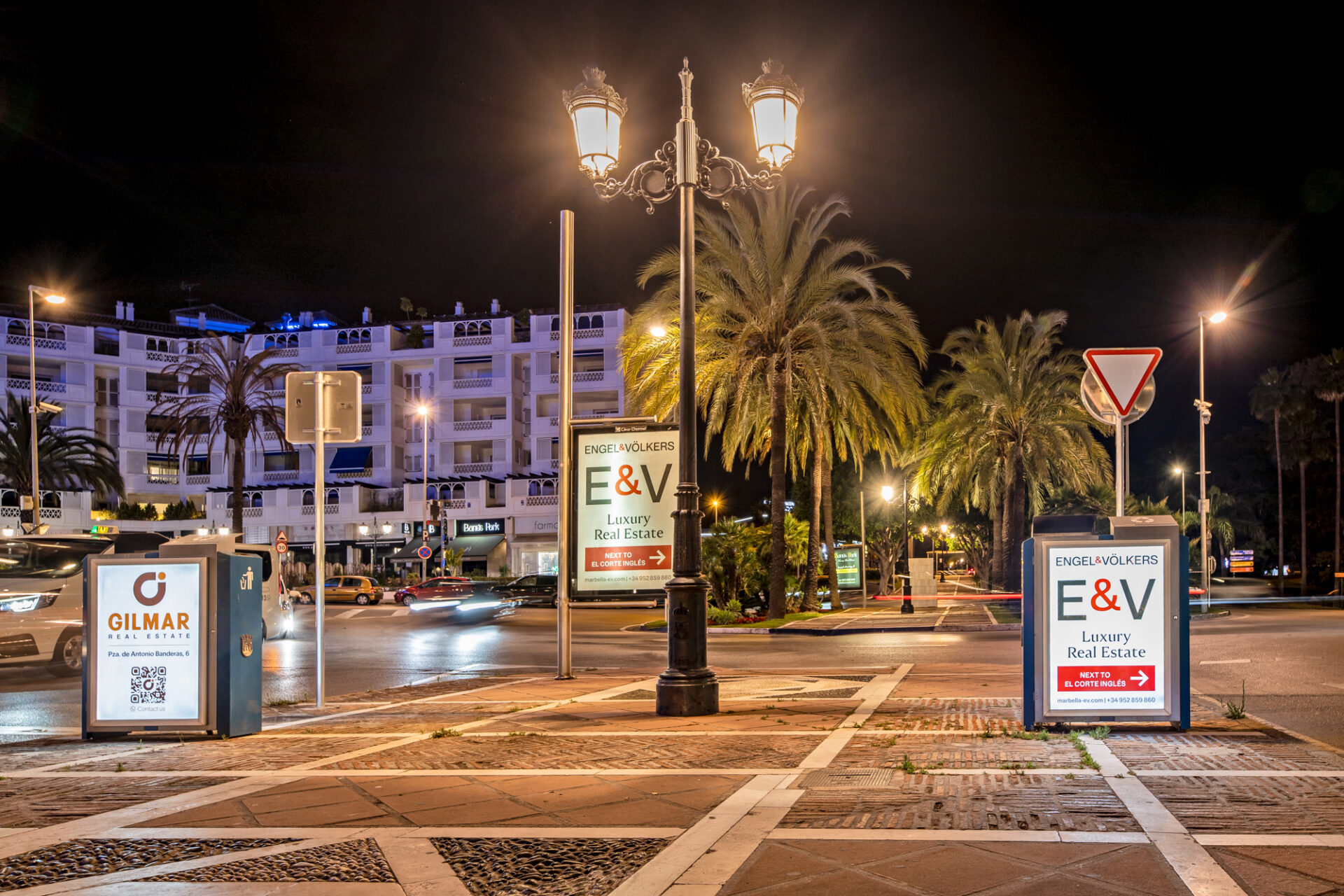
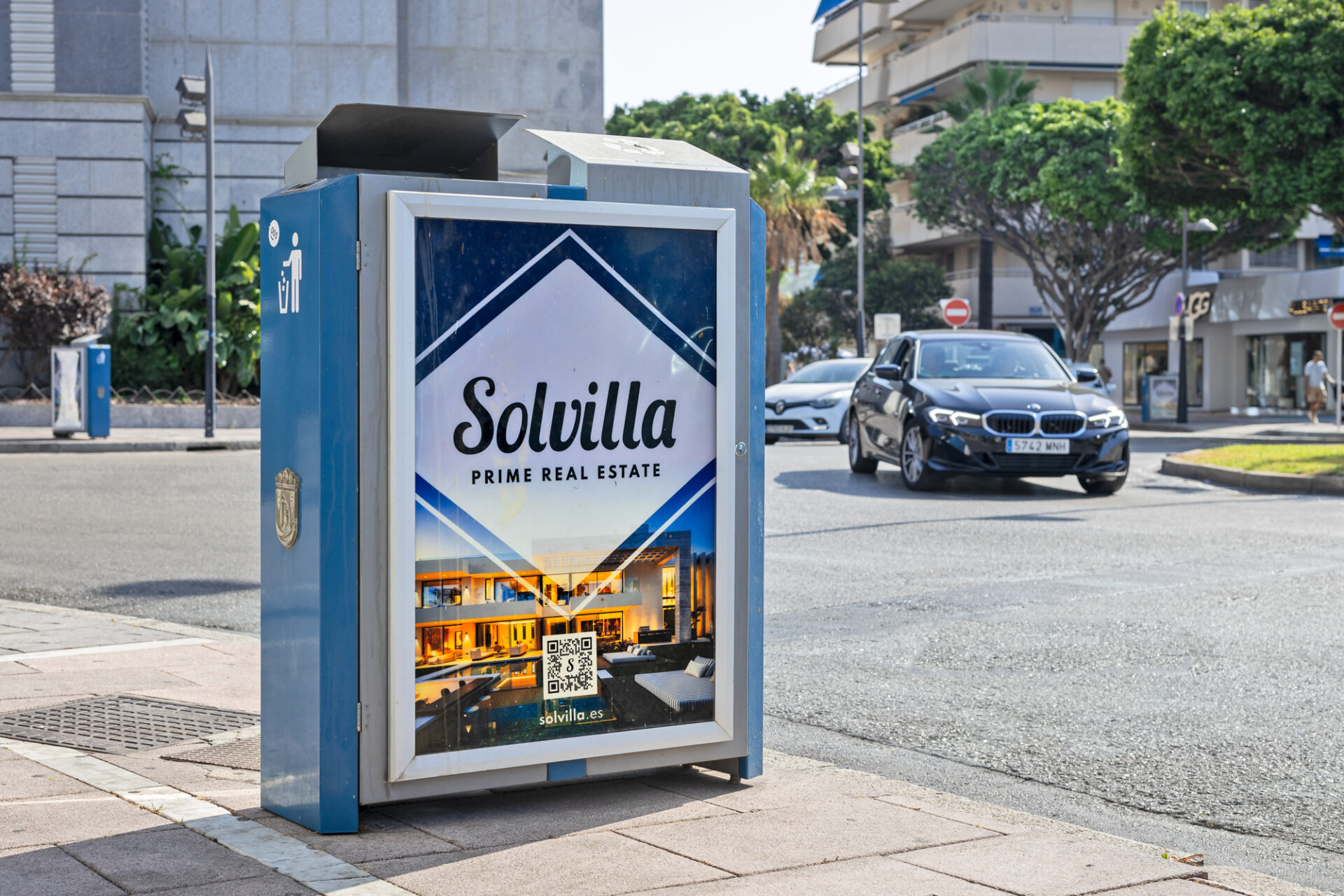
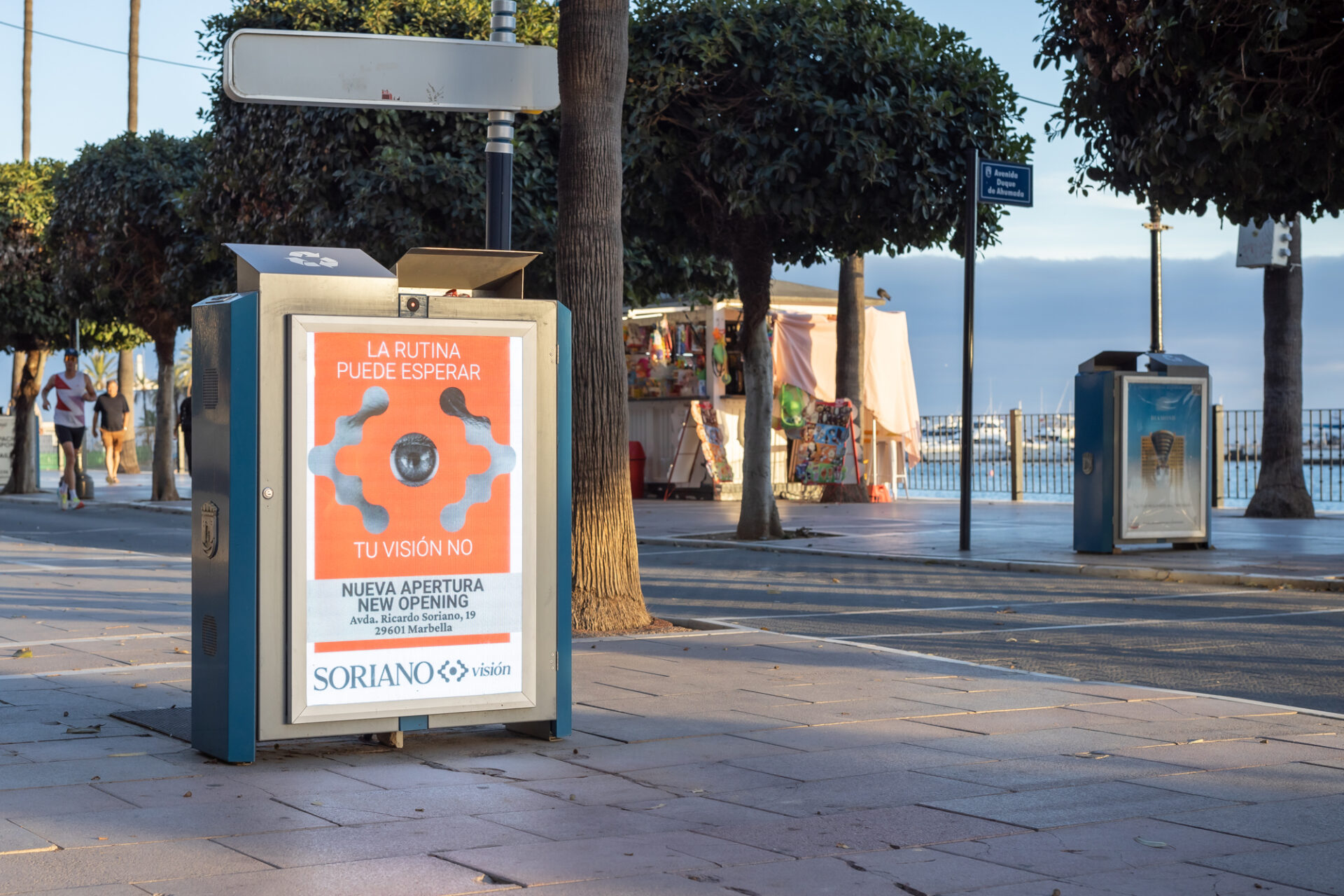
- Mupi displays (traditional or digital): constant repetition in urban environments, good balance of presence and frequency.
- Premium DOOH screens (airports, major shopping centers): reinforce brand perception and “status.”
When do they work best?
- When you have a product/service that isn’t decided on immediately (real estate, education, services, corporate branding).
- When you want to be top of mind before the need arises.
In branding, what usually wins is coverage plus repetition. A single huge display can impress; a well-planned circuit can build recall.
2) If your goal is to generate traffic (store, restaurant, showroom, visits)
Here, we’re looking for immediate action: for people to see you and act quickly. Location and timing are more important than the size of the display.
Recommended formats
- Billboards near the point of sale (especially on high-traffic routes): very useful for directing traffic.
- Parking lots (vinyls, entrances, advertising signage): impact at the moment of decision and provide guidance.
- Displays in shopping centers (inside and at entrances): capture audiences already predisposed to buy/consume.
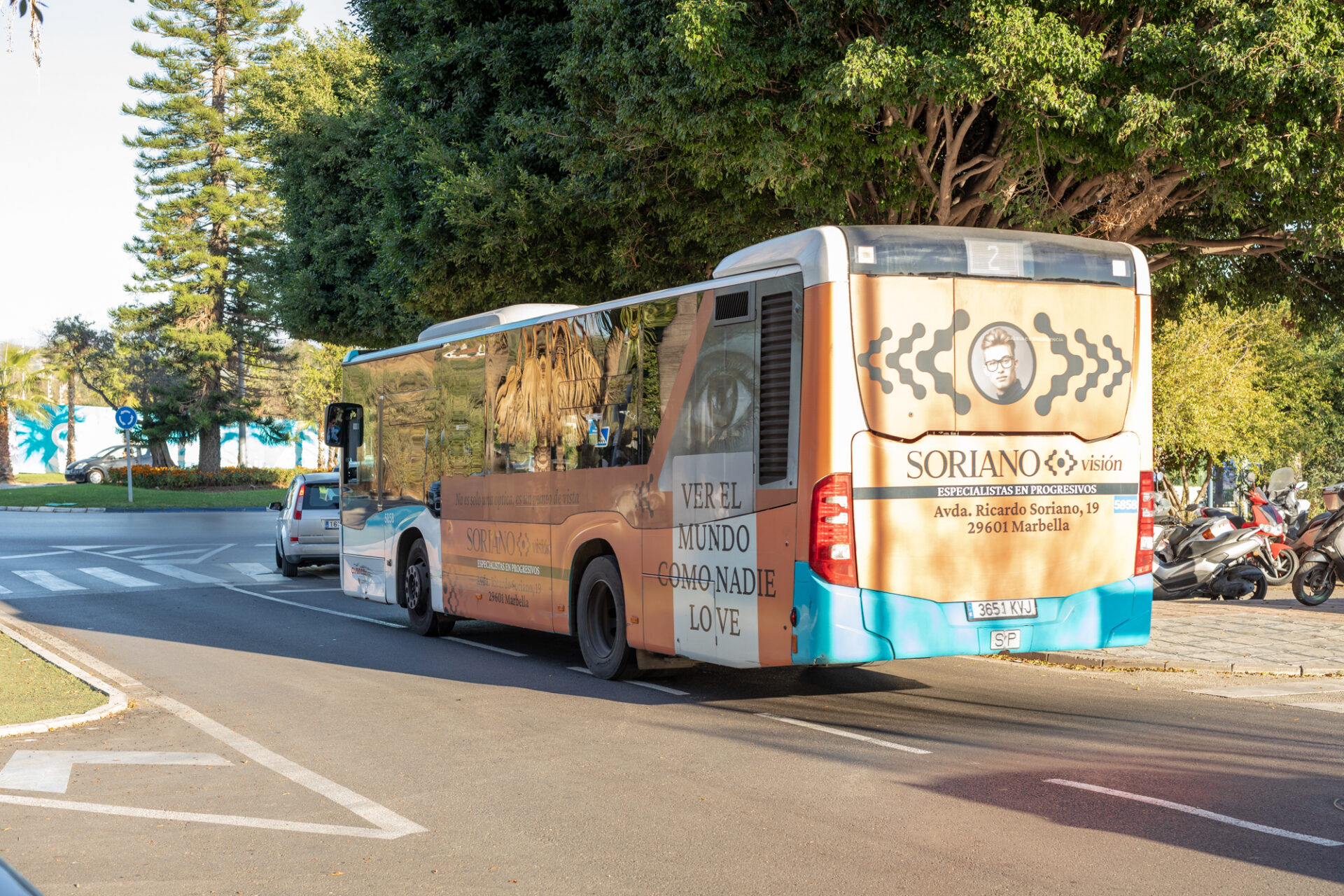
- Buses (when they cross high-traffic areas near the destination): territorial support plus repetition.
When do they work best?
- When the destination is clear and easily accessible (newly opened, restaurant, store, recurring event).
- When you can “beat” the competition within a specific radius.
For traffic, think in terms of proximity and direction: “I’m here / X minutes away / at this exit.” If the location is far away or difficult to reach, OOH should focus more on brand recall than impulse buying.
3) If your goal is an opening or launch (peak attention in a short time)
For openings, the challenge is twofold: rapid brand awareness + clarity (date, location, what it is). The mix usually combines large-scale presence with displays near the point of sale.
Recommended formats
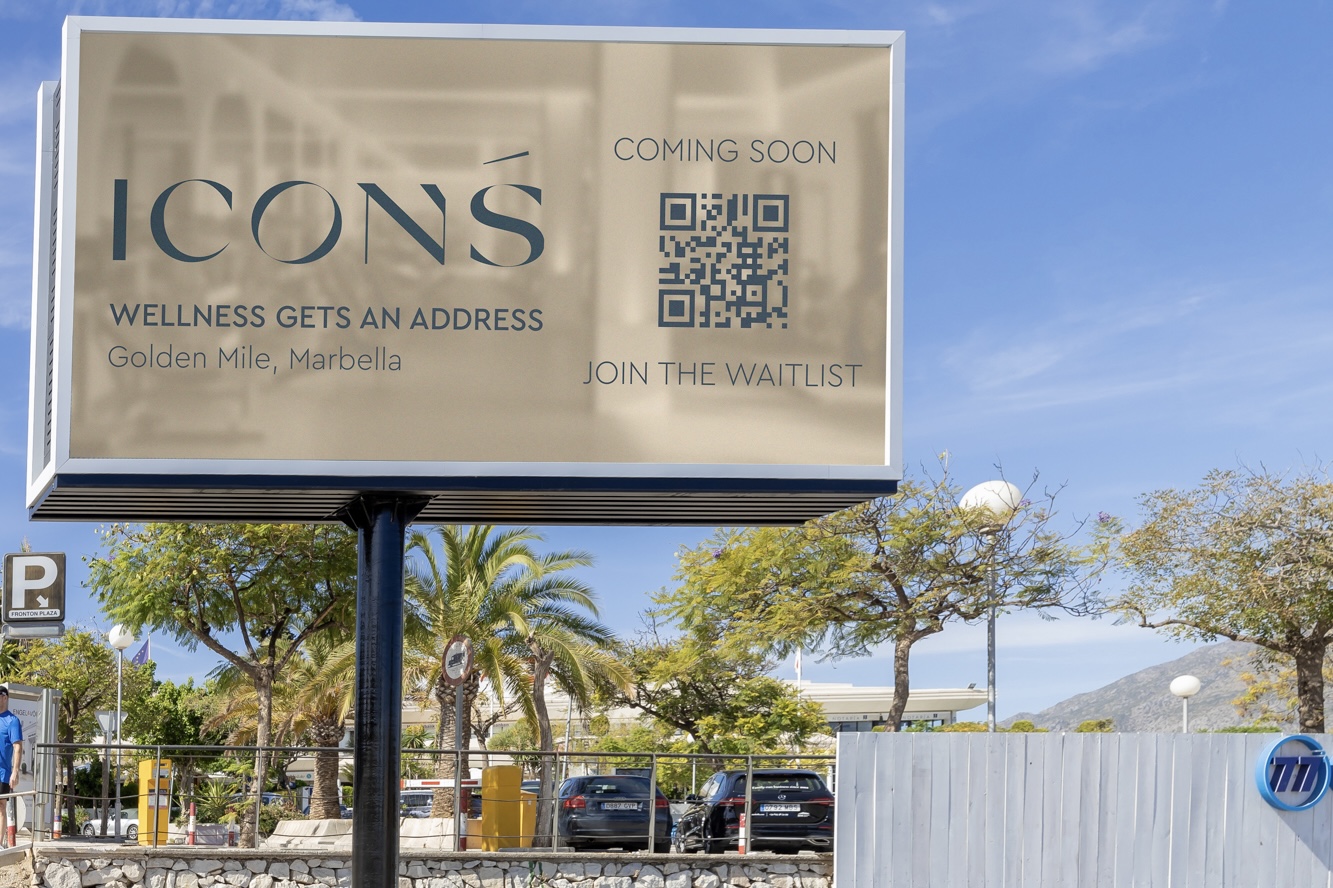
- Billboards or unipoles on access routes: “We’re here” and “This is happening.”
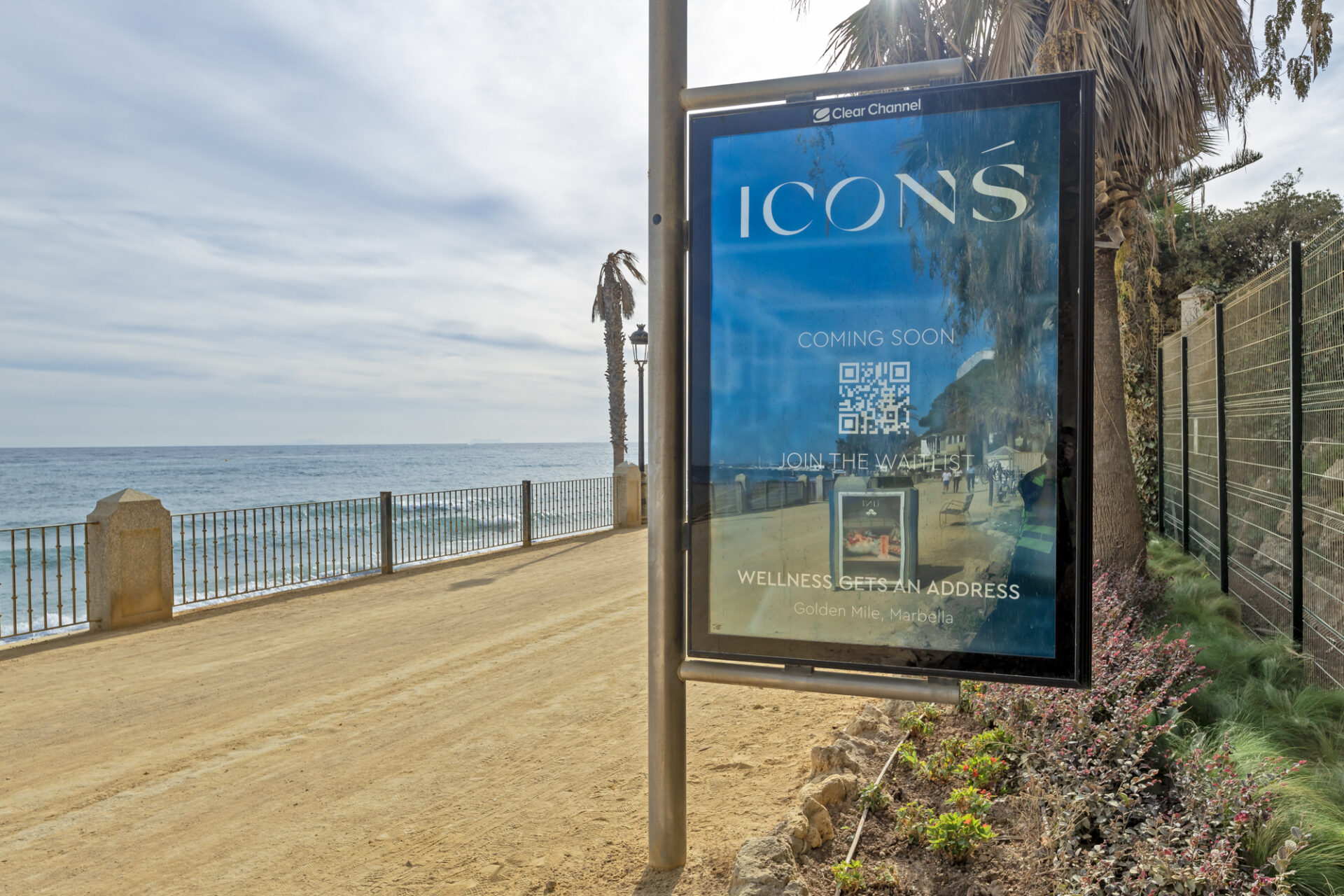
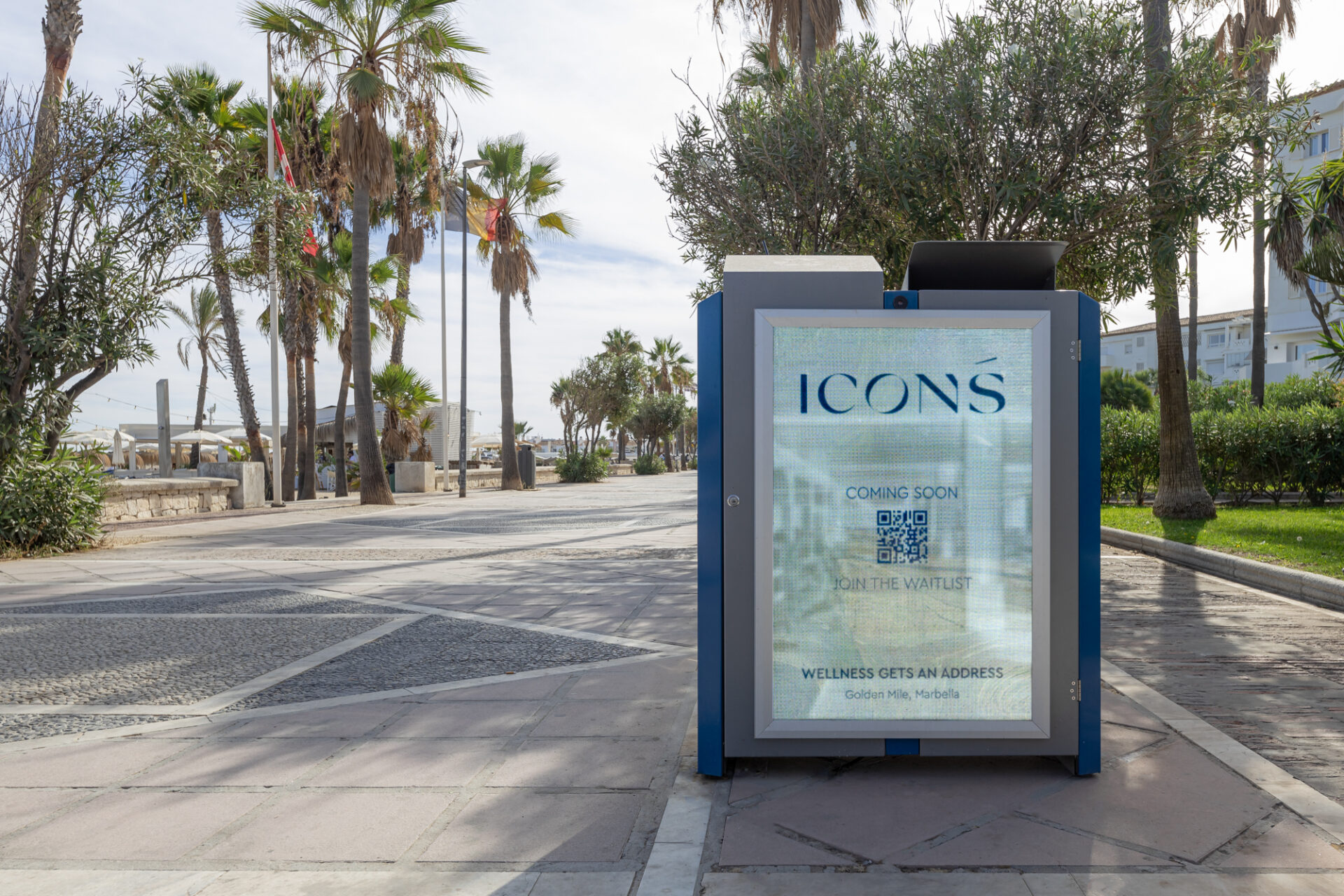
- Mupis in a circuit (city center/key areas): frequency to ensure the opening “becomes established” in the city.
- DOOH (if available): allows you to remind people of dates and messages during specific time slots.
- Parking and nearby signage: final reinforcement in the immediate surroundings.
When do they work best?
- When there’s a specific date and you need to concentrate your impact (opening, event, sale, seasonal campaign).
- When you’re competing for attention in a short period.
For launches, planning is usually divided into phases:
teaser (curiosity) → announcement (what/when/where) → reminder (final days).
How to decide in 60 seconds (mini checklist)
Before choosing a medium, answer these questions:
- Main objective: brand / traffic / opening
- Where does the decision take place: on the road, walking, in shopping areas, in a parking lot, etc.
- Radius of influence: do you need the entire city or a specific area?
- Campaign duration: weeks to build or days to activate?
- Creative capacity: do you have a message that’s easily understood?
With these 5 answers, the format usually becomes clear.
Quick Examples (Non-Complicated)
- Citywide Branding: Network of bus shelter ads + one or two high-visibility displays (billboard/monopole)
- Drive Traffic to a Restaurant: Nearby bus shelter ads + parking (entrance/signage)
- Business Opening: Billboard at the entrance + supporting bus shelter ads + additional advertising in the final days
- Extensive Territorial Presence: City bus (side or full-body) + bus shelter ads
Conclusion
The question isn’t “which format is best?”, but “best for what?”.
Out-of-home advertising works when the chosen medium aligns with the objective, the location, and the user’s needs.